Histamine Is Only Part of the Story
If you’ve been experiencing symptoms like skin flushing, headaches, anxiety, digestive upset, or ongoing “allergy-type” reactions, you may have been told histamine is the issue.
And while that may be partially true, it’s rarely the full picture.
Histamine is not inherently harmful. In fact, it plays essential roles in your immune system, digestion, and nervous system. The real issue arises when your body loses the ability to regulate histamine effectively.
Why Histamine Keeps Coming Back
Many approaches focus on avoiding high-histamine foods or relying on antihistamines to manage symptoms.
However, this often leads to:
Temporary relief
Increasing sensitivity over time
Ongoing restriction without resolution
This is because histamine concerns are not simply about exposure.
They reflect how well your body can manage histamine across three key processes:
How much histamine is being released
How effectively it is broken down
How efficiently it is cleared from the body
When any of these systems are compromised, histamine can accumulate - and symptoms begin to appear. Think of it like a sink:
Tap = histamine input (foods, allergens, stress)
Drain = detox pathways (gut, liver, lymph)
→ Most people with “histamine intolerance” have a slow drain, not just a fast tap.

When symptoms persist, it's rarely because one system has failed. More often, several systems are under strain at the same time. That's why I rarely focus on histamine alone - I look at the whole picture.
Understanding the three systems that keep histamine in balance.
1. When the Alarm System Becomes Too Sensitive
Histamine is released by immune cells known as mast cells in response to stress, allergens, gut irritation, and environmental triggers.
In some individuals, these cells become more sensitive or overactive, resulting in an increased release of histamine — even in the absence of obvious triggers.
This can present as:
Flushing or redness
Heightened reactivity to stress
Sensitivity to smells, temperature, or environmental exposures
A key factor in supporting this process is the use of quercetin and bioflavonoids, which help stabilise mast cells and reduce excessive histamine release.
Without addressing this layer, the body may continue to produce more histamine than it can manage.
2. When the Gut Can't Keep Up
The digestive system plays a central role in breaking down histamine from food before it enters circulation. This process relies on an enzyme called DAO (diamine oxidase), which is produced in the gut lining.
When gut health is compromised - due to microbiome imbalance, inflammation, or increased intestinal permeability - histamine breakdown is reduced.
This can lead to:
Food sensitivities (particularly to fermented or aged foods)
Bloating, diarrhoea, or IBS-type symptoms
Reactions that feel inconsistent or difficult to predict
Addressing gut integrity and microbial balance is essential for improving this phase of histamine regulation.
3. When the Body Can't Clear the Load
Once histamine enters circulation, it must be processed and eliminated by the liver and lymphatic system.
The liver relies on methylation pathways, which require key nutrients such as:
Vitamin B12
At the same time, the lymphatic system is responsible for transporting immune byproducts throughout the body. Unlike the circulatory system, it depends on movement, hydration, and breathing to function effectively.
When these systems are not operating optimally, histamine can accumulate within tissues, contributing to more persistent and systemic symptoms.
How To Recognise Histamine Build Up
Rather than one isolated symptom, histamine dysregulation often presents as a pattern across multiple systems.
Common signs include:
Skin flushing, itching, or hives
Headaches or migraines
Anxiety or a “wired but tired” feeling
Poor or disrupted sleep
Hormonal symptoms such as PMS or painful periods
Sinus congestion or post-nasal drip
Digestive discomfort and food sensitivities
A key feature is that symptoms often build over time, rather than occurring from a single trigger.

Learning to recognise the symptoms is key to understanding how to support your health.
Knowledge is power…….
Before You Head to the Pharmacy….
Antihistamines are commonly used to manage symptoms. While they can provide short-term relief, they work by blocking histamine receptors rather than addressing the underlying processes.
This means:
Histamine may continue to accumulate
Other pathways remain unaffected
Effectiveness may reduce over time
Similarly, restrictive low-histamine diets may reduce symptom load temporarily, but do not resolve the underlying dysfunction in histamine regulation.
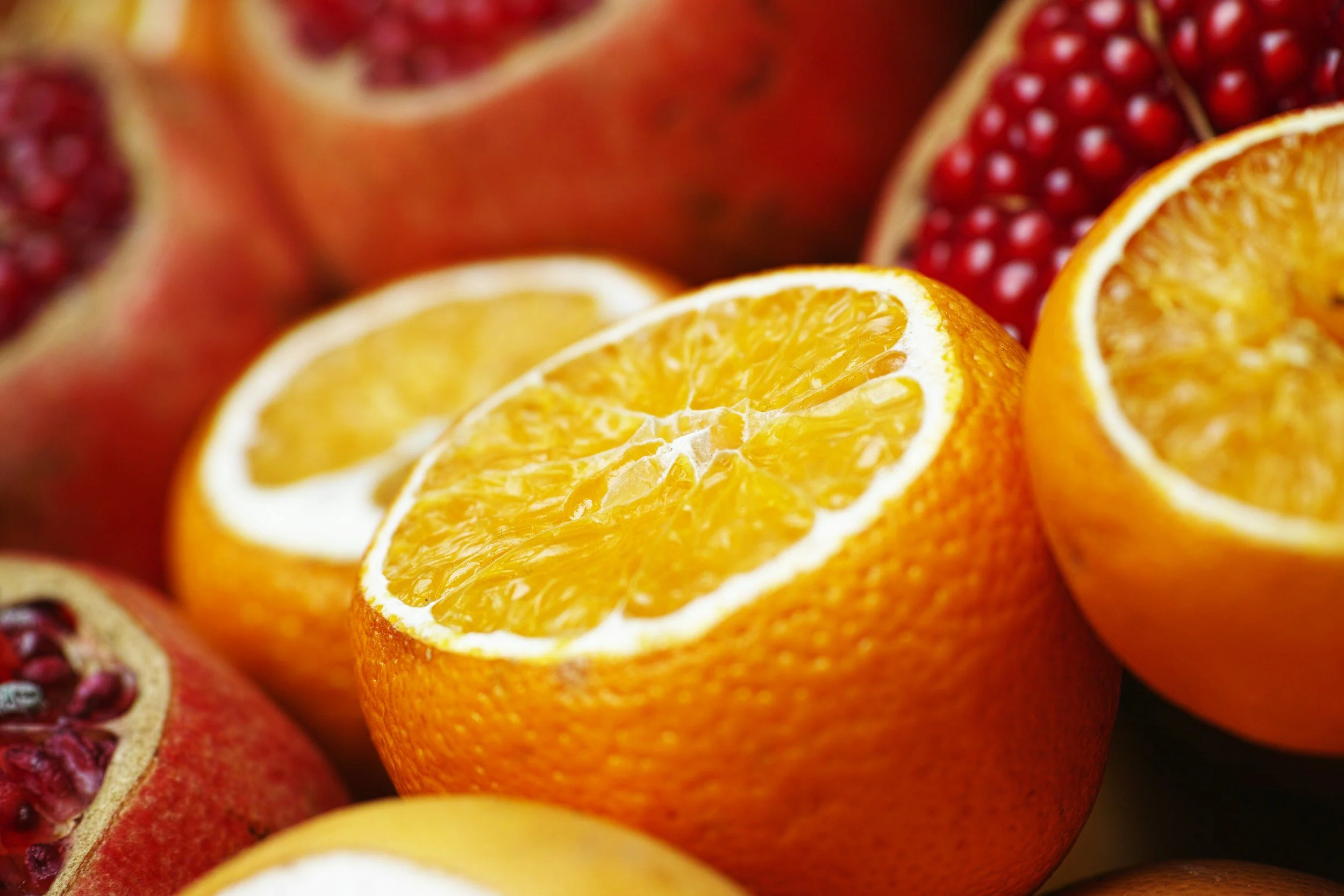
Incorporating foods rich in bioflavonoids can be helpful
Enjoy nature’s gifts - fruit and vegetables.
What Helps Your Body Regulate Histamine?
Histamine regulation relies on much more than simply avoiding certain foods. Your body needs the right nutrients, healthy digestive function, and supportive lifestyle habits to keep histamine in balance.
Nutrients that support histamine regulation
Different stages of histamine regulation rely on different nutrients:
Vitamin C and bioflavonoids help stabilise mast cells, reducing excessive histamine release.
Vitamin B6, zinc and copper support the enzymes responsible for breaking down histamine.
Vitamin B12, folate, vitamin B2, magnesium and choline are involved in the liver's methylation pathways, which help clear histamine from the body.
Lifestyle matters too
Histamine doesn't exist in isolation. The way you sleep, move, digest food and respond to stress all influence your body's ability to regulate it.
For example:
Chronic stress can increase mast cell activation and histamine release.
Poor digestive health may reduce your ability to break down histamine from food.
Limited movement can slow lymphatic circulation, making it harder to clear inflammatory by-products.
Constipation or sluggish bowel function may increase the reabsorption of compounds that the body is trying to eliminate.
Rather than focusing on a single trigger, I look at the systems that support histamine regulation as a whole. When nutrition, digestion, detoxification and lifestyle are working together, the body is often much better equipped to keep histamine in balance.

Looking at the Bigger Picture
If there's one thing I hope this article has shown, it's that histamine isn't simply something to avoid - it's something your body is constantly working to regulate.
When symptoms persist, it's rarely because you've eaten the "wrong" food. More often, it's a sign that one or more of the body's regulatory systems is under strain.
That might mean your immune system is releasing too much histamine, your gut isn't breaking it down efficiently, or your liver and lymphatic system aren't clearing it as effectively as they could.
Understanding which of these systems needs support is far more valuable than simply adding another food to the "avoid" list.
Every Body Has a Different Story
Two people can experience similar histamine symptoms for completely different reasons.
One person may have a disrupted gut microbiome following antibiotics.
Another may be navigating chronic stress and nervous system dysregulation.
Someone else may have nutrient deficiencies affecting the enzymes responsible for histamine metabolism.
That's why I don't believe in one-size-fits-all protocols.
The goal isn't to follow the strictest low-histamine diet. It's to understand what your body needs to regulate histamine more effectively and, where possible, expand your tolerance over time.
How I Approach Histamine in Clinic
When we work together, we don't just ask "What foods are triggering your symptoms?"
We ask bigger questions.
Is your gut able to break down histamine efficiently?
Is your immune system becoming overly reactive?
Are nutrient deficiencies affecting histamine metabolism?
Is stress keeping your nervous system in a heightened state?
Are your detoxification and elimination pathways working well?
From there, we create a personalised plan that supports your body's ability to regulate histamine - not simply suppress the symptoms.
The Goal Isn't a Smaller Life
One of the hardest things about histamine intolerance is that life can gradually become smaller.
More foods are removed.
More social events are avoided.
More anxiety develops around eating.
While short-term dietary changes can sometimes be helpful, my long-term goal is different.
I want to help you build a body that is more resilient, more adaptable and less reactive, so food becomes something you can enjoy again - not something you fear.
Because health should create more freedom, not more restriction.
Ready to Understand the Bigger Picture?
If you've been managing histamine symptoms for months (or even years) and still feel like you're chasing reactions without understanding why they're happening, I'd love to help.
Together, we'll look beyond the symptoms to understand how your immune system, gut, nervous system and metabolism are working together, and develop a plan that's grounded in evidence and tailored to your body.
Because lasting health rarely comes from avoiding more. It comes from understanding more.