Your Guide to Feeling Better Through Perimenopause: What the Research Actually Says
Are you in your 40s or early 50s and noticing changes that feel hard to explain? Mood swings, poor sleep, hot flushes, fatigue, or a body that feels different than it used to? You are not imagining it — and you are not alone. This is perimenopause, and the good news is that there is a lot you can do about it, starting right now.
As an integrative naturopath based in Byron Bay (and available online to women across Australia and the United Kingdom), I take a whole-body approach to this transition. That means combining the best of dietary, lifestyle and herbal medicine approaches, combined with functional testing to provide you with an honest, up-to-date understanding of all your options. Here is what the science says.
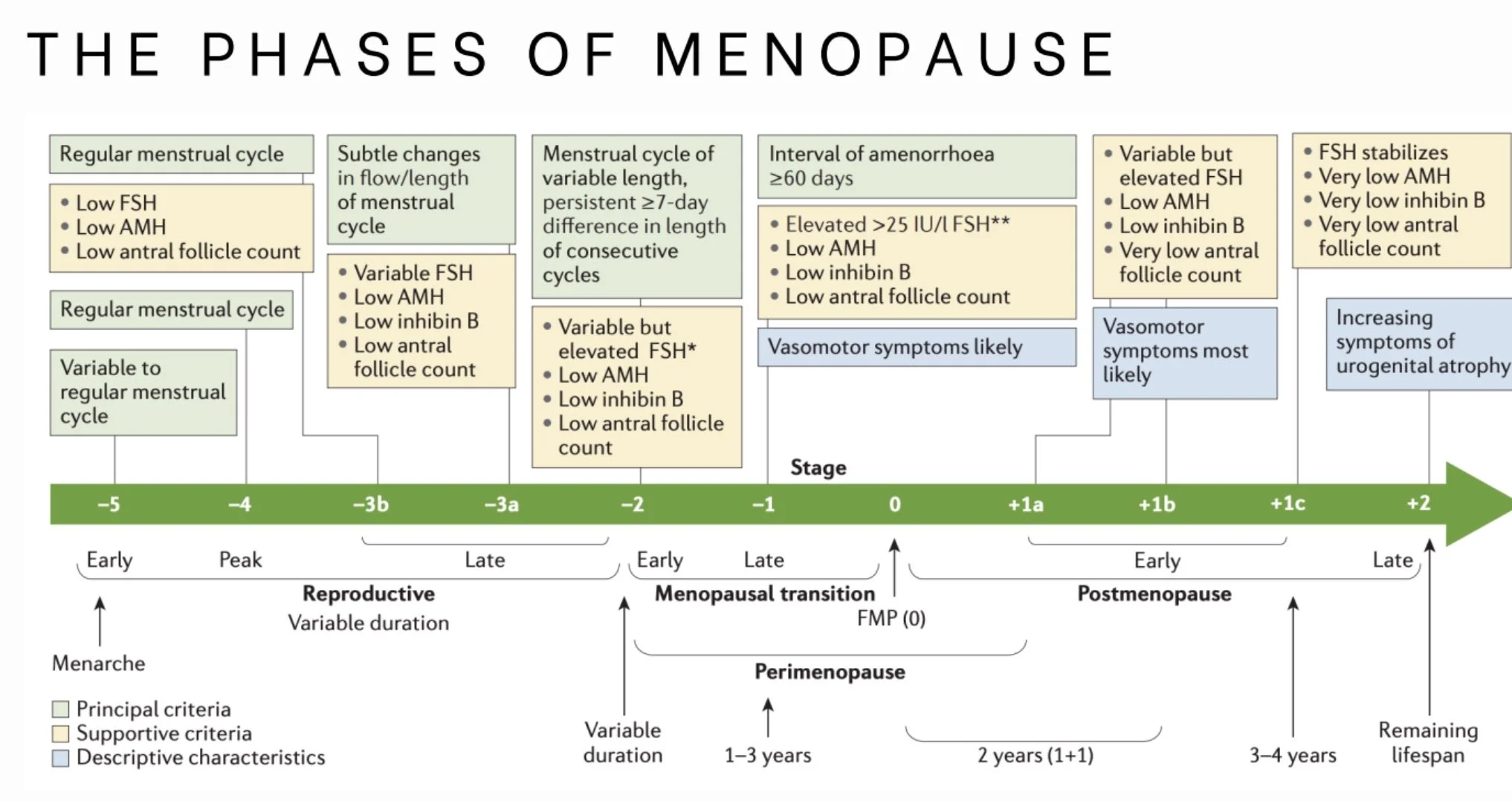
Start Early - It Makes a Real Difference
Starting natural treatments early in your perimenopausal years - before symptoms become severe - can meaningfully reduce how much they affect your daily life and quality of life down the track. Think of it as building a strong foundation before the storm arrives.

1. Move Your Body - Especially With Weights
Regular movement is one of the most powerful things you can do during this transition. And resistance training (think weights, bodyweight exercises, or resistance bands) is especially important.
Here is why: when oestrogen begins to fall, your bones lose their main protector. Research shows that in the first ten years after menopause, women can lose up to 2.5% of their bone mass every single year. That adds up fast. The good news is that exercise directly fights back. A major review of 80 studies involving more than 5,500 women found clear evidence that exercise protects bone density in the hip and spine - and this benefit held true regardless of whether women had already been diagnosed with low bone density or not.
Beyond bones, strength training helps prevent the muscle loss that comes with hormonal changes, boosts your metabolism, improves insulin sensitivity, lowers blood pressure, and even supports brain health and reduces the risk of cognitive decline.
The recommendation from sports medicine experts: aim for two to three sessions of resistance training per week, using movements like squats, lunges, and push-ups, and gradually increase the challenge over time.
2. Train Your Mind as Well as Your Body
The mind-body connection is not just a wellness buzzword - it is backed by solid research when it comes to menopause.
A 2024 review of clinical trials found that mind-body practices including yoga, Pilates, tai chi, qigong, and mindfulness-based stress reduction all positively influenced sleep quality, anxiety, depression, fatigue, and even bone density in perimenopausal and postmenopausal women.
Cognitive Behavioural Therapy (CBT) has perhaps the strongest evidence of all. A 2025 systematic review covering 35 years of research across 16 studies and 910 women concluded that CBT consistently reduced anxiety and depression in menopausal women and significantly improved sleep quality - particularly when insomnia-specific techniques were used. NICE (the UK's leading health authority) now officially recommends CBT for managing menopausal symptoms.
A 2025 review of 19 randomised trials involving 1,670 women found that mindfulness-based interventions led to meaningful improvements in menopausal symptoms, quality of life, sleep, anxiety, and depression.
3. Targeted Herbal & Nutritional Support
When prescribed by a qualified practitioner - not grabbed off a supermarket shelf - specific herbs and nutrients can make a real and targeted difference.
Saffron (Crocus sativus) is one of the most researched botanical medicines for mood and sleep. A 2024 systematic review found that saffron demonstrated meaningful clinical effects on depression, anxiety, sleep disorders, and cognition. A separate meta-analysis found no significant difference between saffron and SSRIs (antidepressants) for reducing anxiety and depressive symptoms - and saffron users experienced fewer side effects. For sleep, a review of five randomised trials concluded saffron has a beneficial influence on sleep duration and quality, with its active compounds inducing sleep-promoting effects.
Ashwagandha (Withania somnifera) is a well-studied adaptogen - meaning it helps your body better handle stress. A 2024 randomised, double-blind, placebo-controlled trial found that Ashwagandha root extract safely and significantly reduced mild to moderate chronic stress at doses as low as 125 mg per day over eight weeks.
Black Cohosh (Cimicifuga racemosa) has been studied for decades for hot flushes and other vasomotor symptoms. A 2023 updated meta-analysis of 22 studies in 2,310 menopausal women found that black cohosh extracts produced significant improvements in overall menopausal symptoms, hot flashes, and physical body symptoms compared to placebo. Sage (Salvia officinalis) offers complementary support: a 2023 systematic review found that daily sage extract reduced both the frequency and severity of hot flushes over time in postmenopausal women.
Key nutrients are also essential. Magnesium supports mood, sleep, and bone health - and a 2023 meta-analysis confirmed it beneficially affects depression in adults. Omega-3 fatty acids (EPA and DHA) are critical for brain health during this transition: a 2025 review confirmed that increasing EPA and DHA intake is associated with better brain function during the menopausal transition, particularly for mood and anxiety - a period when women are twice as likely to experience depression as men. B vitamins (particularly B6 and B12) support the production of mood-regulating brain chemicals and have demonstrated benefits for managing anxiety and emotional symptoms.
Starting early with these natural treatments may help you lessen the severity of perimenopausal symptoms and improve your quality of life.
4. Understanding All Your Options - Including MHT
A genuinely integrative approach means being honest about every tool available to you -including medical ones.
Menopausal Hormone Therapy (MHT, formerly called HRT) is recognised by medical bodies worldwide as the most effective treatment for moderate to severe vasomotor symptoms like hot flushes and night sweats, as well as for preventing bone loss. Current guidelines confirm MHT is the cornerstone treatment for vasomotor symptoms and is also indicated for the prevention and management of osteoporosis in younger postmenopausal women.
MHT more benefits than risks for most women under 60 years of age or who have been in menopause for less than ten years. In fact, in late 2025, the FDA requested updated labelling for MHT products to better reflect a more balanced benefit-risk picture for younger menopausal women, acknowledging that MHT may be under-utilised among women who would genuinely benefit from it.
That said, MHT is not right for everyone. Side effects and risks - including cardiovascular events, thromboembolic disease, and breast cancer - must be weighed carefully against benefits, and the benefit-risk profile differs based on the type of hormones used, dose, and individual health history. This is a conversation to have with your prescribing doctor, who knows your full medical picture.
For women who cannot or choose not to use MHT, non-hormonal medical options - including certain antidepressants (SSRIs/SNRIs) - are also available and evidence-supported for managing vasomotor symptoms.
5. Your Plan Will Be Unique to You
There is no single protocol that works for every woman. The right combination of lifestyle support, herbal medicine, nutritional therapy, and medical care depends entirely on your symptoms, your health history, your genetics, and your goals.
This is exactly what naturopathic integrative care is designed to do — work alongside you and your medical team to build a plan that is safe, personalised, and grounded in evidence.
One critical note: please do not self-prescribe herbs or supplements during this time. Interactions between herbs and medications are real, and dosing matters. A qualified practitioner will assess what is safe and appropriate for you specifically.
Ready to Start Feeling Like Yourself Again?
You don't have to white-knuckle your way through this transition or feel like something is wrong with you. There are evidence-based options available - and the sooner you start building a plan, the better positioned you will be.
Book a free Discovery Call with me today. In 20 minutes, we will talk through your symptoms, what you have already tried, and what a personalised naturopathic plan could look like for you - whether you are looking for natural support, a complement to your current medical treatment, or simply want to understand what is happening in your body.
Please note: The information above is for educational purposes only. Always seek personalised medical advice from your doctor or a qualified naturopathic practitioner.