Nutrition to Reduce Inflammation and Improve Mental Wellbeing
Introduction
Mental wellbeing isn’t just a matter of the mind, it’s a whole-body experience. The food we eat, the quality of our sleep, the way we move, and the way we respond to stress all influence how we feel emotionally. There’s no single remedy or quick fix; true wellbeing develops through small, consistent actions that nurture and balance the entire system.
Macronutrients
Our brain and body run on three key fuel sources which are known as macronutrients:
Protein – builds neurotransmitters, muscles, enzymes, hormones
Fats – support brain structure and cell membranes
Carbohydrates – provide energy and feed beneficial gut bacteria
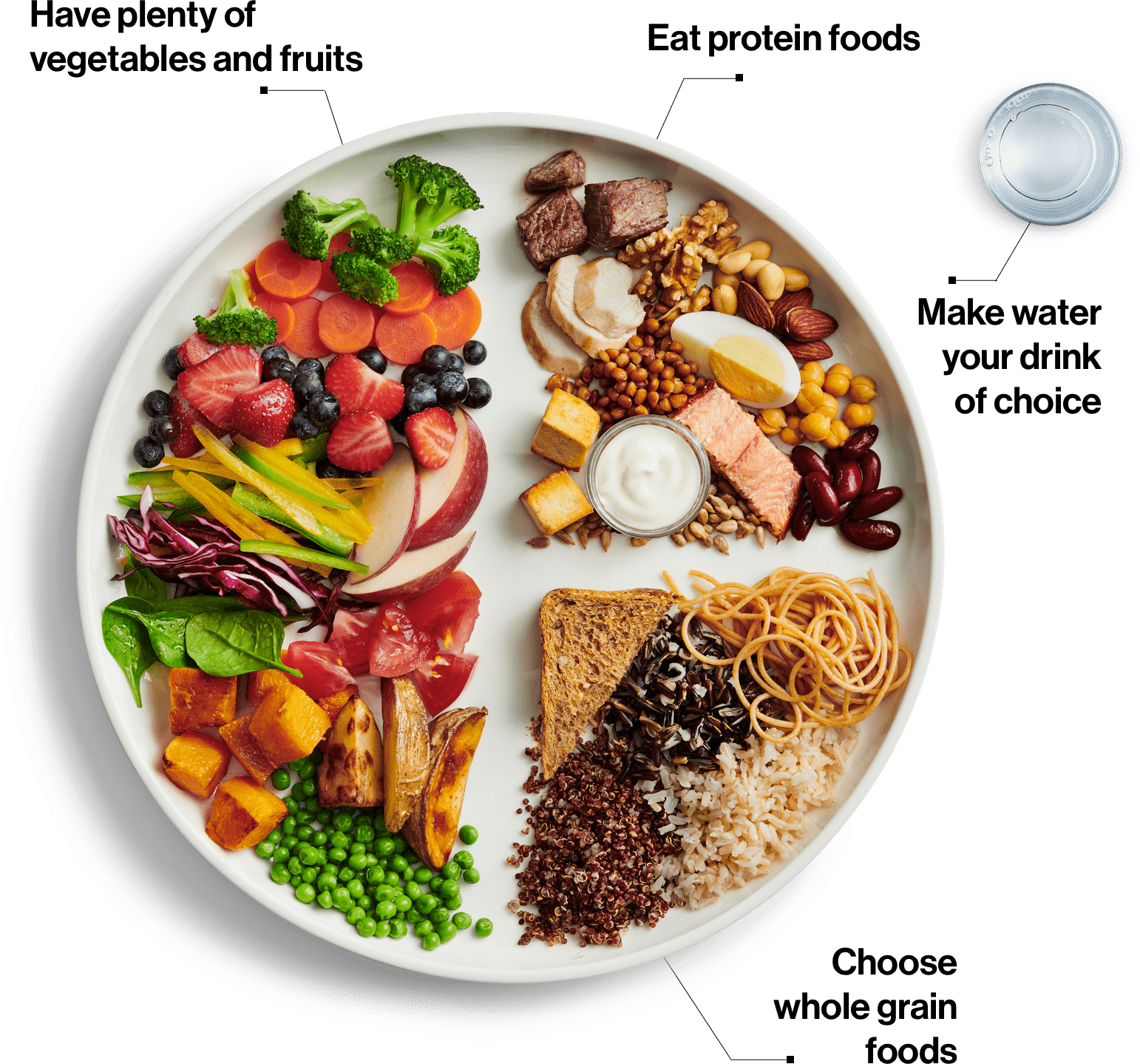
A visual on how to serve your meals to optimise your mental wellbeing. (Based on The Canada Food Guide 2025).
Micronutrients
As well as relying on supply of the macronutrients, our bodies and organs need supply of vitamins and minerals which are known as micronutrients.
Fat-soluble vitamins: A, D, E, K support hormones and brain function and are stored in our adipose tissue.
Water-soluble vitamins: B-group and C are needed daily for energy and stress response and are eliminated if levels are sufficient.
Minerals: magnesium, zinc, iron, and selenium are vital for nerve signalling and neurotransmitter balance
Looking for personalised guidance to understand your nutritional needs or get your health back on track?
Neurotransmitters
Neurotransmitters are chemical messengers that allow the brain and body to communicate. They influence how we think, feel, and respond to the world around us by transmitting signals between nerve cells. Balanced neurotransmitter function is essential for stable mood, focus, sleep, and stress resilience. Their production and activity depend heavily on the nutrients we consume, meaning that diet plays a key role in supporting emotional wellbeing. Understanding how key neurotransmitters such as serotonin, dopamine, and GABA work helps us see how food and lifestyle choices directly affect mental and physical health.
Serotonin
Serotonin is often called the “feel-good” neurotransmitter because it helps regulate mood, emotional balance, and a sense of wellbeing. It also plays key roles in sleep, digestion, and pain regulation. Around 90% of serotonin is produced in the gut, highlighting the strong gut–brain connection. Foods rich in tryptophan - such as eggs, turkey, chicken, salmon, tofu, seeds, and oats- support serotonin production, especially when paired with complex carbohydrates and adequate B vitamins. Supplementation with L-tryptophan can be indicated at times.
Dopamine
Dopamine drives motivation, reward, and focus. It’s what helps us feel satisfaction when we complete tasks or experience pleasure. Low dopamine can lead to feelings of fatigue, low drive, or difficulty concentrating. The body makes dopamine from the amino acid tyrosine, found in protein-rich foods like eggs, fish, legumes, nuts, seeds, dairy, and lean meats. Adequate iron, zinc, and vitamin B6 also support this pathway.
GABA (Gamma-Aminobutyric Acid)
GABA is the body’s main calming neurotransmitter, helping to quiet the nervous system, ease anxiety, and support deep, restorative sleep. Low GABA levels are linked to stress, tension, and insomnia. The body makes GABA from glutamine (found in foods like broths, collagen supplements, spinach, broccoli, lentils, and walnuts) and it is supported by magnesium, vitamin B6, and fermented foods such as kimchi, yoghurt, and kefir, which naturally enhance GABA activity in the brain.
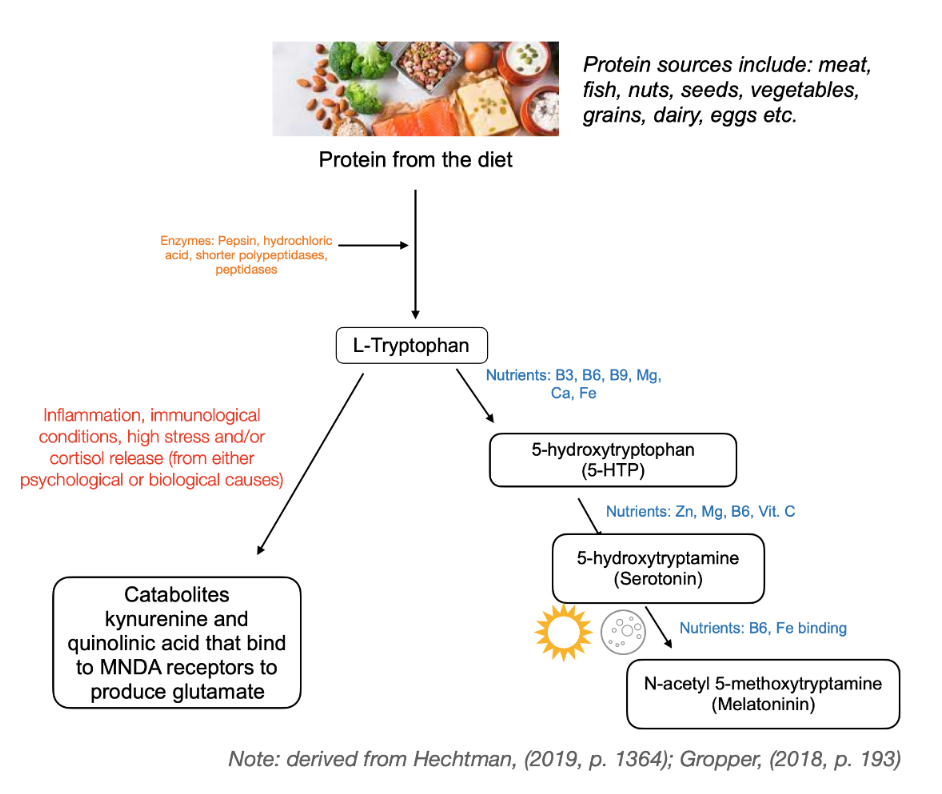
When our body has chronic requirements for L-Tryptophan to support the kynurenine and quinolinic acid pathways, demands increase and if Tryptophan is not ingested (essential amino-acid) then there will be a deficit of Serotonin and Melotonin. Further, vitamins and minerals are required to complete the neurotransmitter synthesis. Primarily the B vitamins, and minerals.
The Fight or Flight Response
When the body experiences stress, it shifts into survival mode. Blood flow is directed to the muscles, heart rate and blood pressure increase, and digestion slows as the body prepares for action. While short-term stress can be beneficial and motivating, ongoing or chronic stress disrupts this balance by diverting key nutrients such as tyrosine and tryptophan away from serotonin production and toward the creation of stress hormones like adrenaline. Over time, this process can lead to depleted mood and energy reserves, leaving the body and mind feeling fatigued and unbalanced.
Inflammation and Mood
Chronic inflammation diverts tryptophan (the serotonin precursor) into pathways that create glutamate. In excess, glutamate can lower neuroplasticity, reduce mood, increase chronic pain risk, and contribute to long-term brain changes.
Reducing Inflammation
Our thoughts, emotions, and energy levels are all shaped by the delicate balance of communication within the brain. This communication relies on a network of chemical messengers that respond to both our internal state and external environment. When we experience ongoing stress, poor sleep, or inadequate nutrition, this balance can shift, affecting mood, motivation, and overall wellbeing. By understanding the key neurotransmitters involved in these processes, we can begin to appreciate how nutrition and lifestyle directly influence how we feel and function each day.
Struggling with inflammation or persistent discomfort? Book an online consultation with Kim Brown, Integrative Naturopath, to uncover the root causes and create a personalised plan to calm inflammation and restore balance.

Bitters
Bitter herbs and foods help stimulate digestive enzyme release, preparing the body to break down and absorb nutrients more effectively. Examples include rocket (arugula), radicchio, endive, dandelion greens, chicory, grapefruit*, lemon peel, and herbal bitters such as gentian, andrographis, or Swedish bitters. The distinct bitter taste is what signals the digestive process to begin, so try to notice and appreciate that bitterness rather than masking it.
Antioxidants:
Antioxidants protect our cells by neutralising reactive free radicals, helping to reduce oxidative stress and inflammation. Colourful plant foods are the richest sources - think berries (blueberries, raspberries, blackberries), green tea, dark chocolate, turmeric, pomegranate, citrus fruits, beetroot, spinach, and herbs such as rosemary, thyme, and oregano. A good rule of thumb is to “eat the rainbow” to maximise your antioxidant intake.
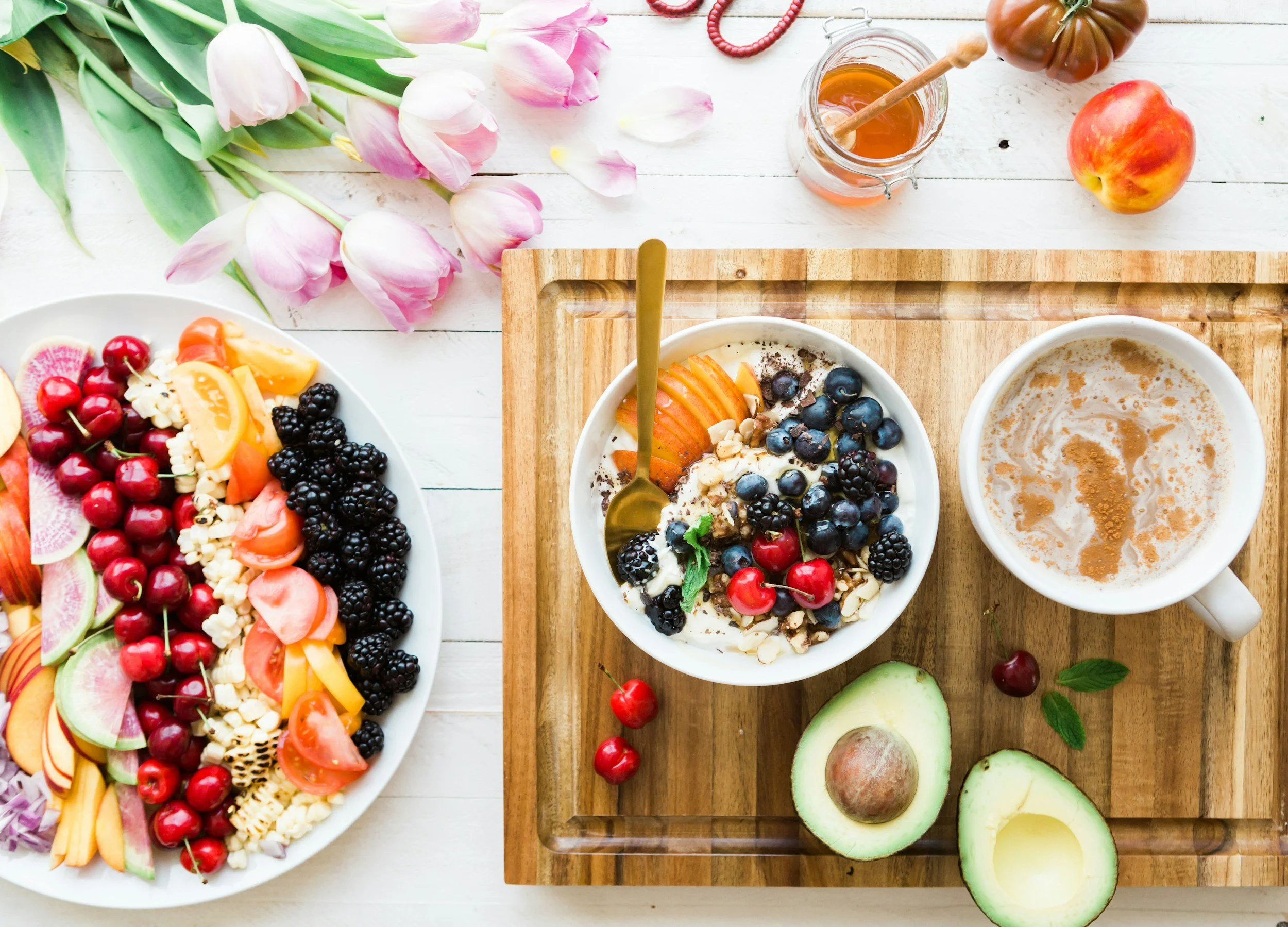
Regular consumption of antioxidant rich foods - think purple, orange, red, green, yellow help to ‘offset’ the damage caused by reactive oxygen species or ‘free radicals’
Fibre:
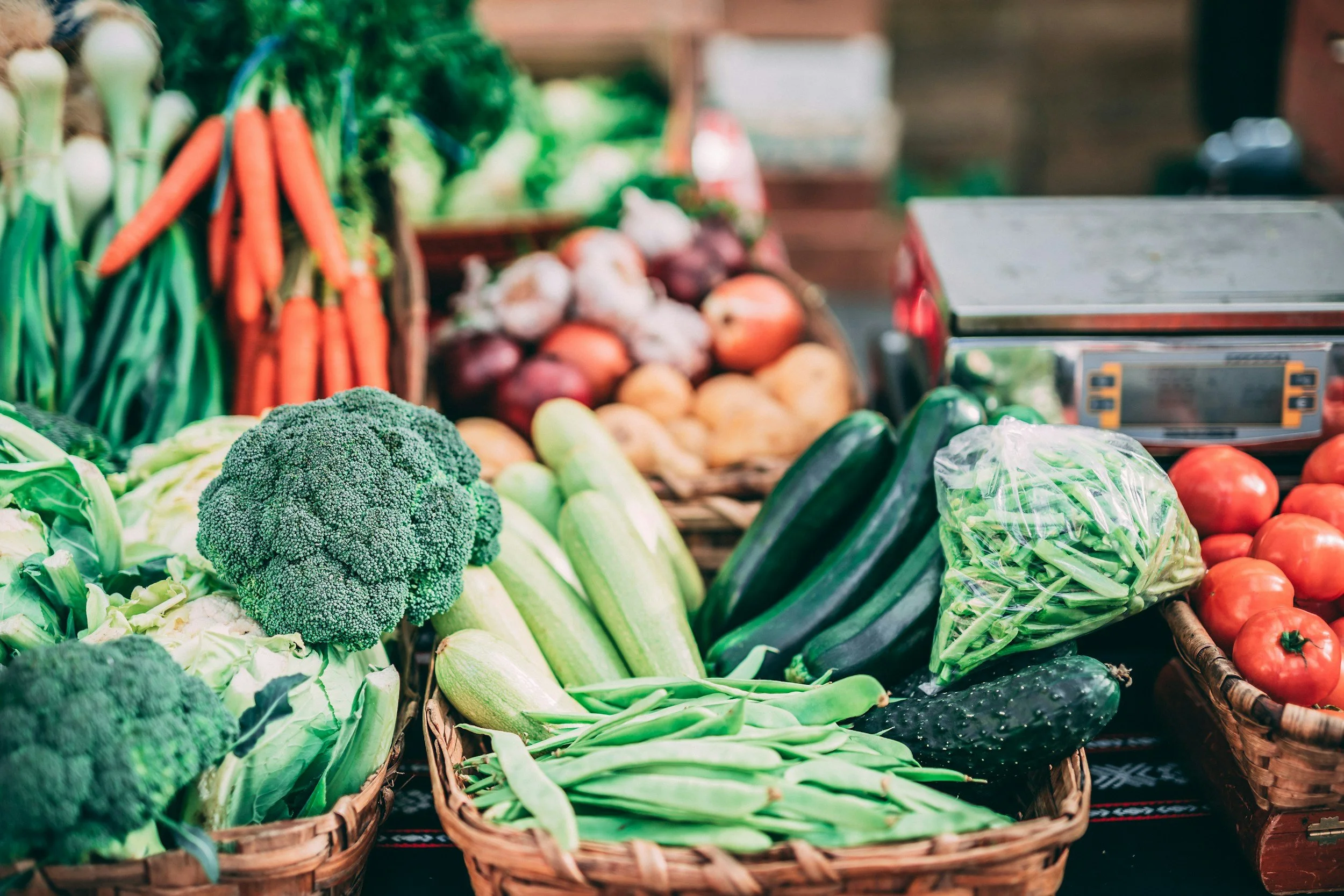
Dietary fibre feeds beneficial gut bacteria, supports detoxification, and leads to the production of short-chain fatty acids (SCFAs) that help reduce inflammation and nourish the gut lining. Excellent sources include vegetables, fruits, legumes (lentils, chickpeas, beans), nuts, seeds, oats, barley, and whole grains. Prebiotic-rich foods high in inulin; such as garlic, onion, leek, asparagus, banana, and Jerusalem artichoke are particularly valuable for supporting a diverse and resilient microbiome.
The Microbiome
A healthy and diverse gut microbiome relies on eating a wide variety of plant foods. The different fibres, colours, and phytonutrients found in fruits, vegetables, legumes, nuts, seeds, and whole grains each nourish distinct species of beneficial gut bacteria. Consider the vegetables you eat most often - how many different types do you include each week? Aim for around 30 different plant foods per week to build a diverse and resilient microbiome that supports healthy digestion, balanced mood, and overall brain function.

A healthy microbiome is a diverse community of commensal bacteria and fungi that support gut health by producing short-chain fatty acids, which help reduce inflammation.
Three Takeaways for a Healthier Mind
Protein for breakfast – stabilises blood sugar and mood. Examples include eggs with vegetables, Greek yoghurt with nuts and berries, a protein smoothie, salmon and eggs on wholegrain toast, or cottage cheese with fruit to support steady energy and mood throughout the morning.
5+ serves of vegetables daily – aim for variety (30 per week) as this will provide your body with fibre, vitamins, minerals, and other phytochemicals needed to feed the beneficial bacteria of your microbiome and reduce inflammation.
Eat in rest and digest mode – slow down, breathe, chew, and focus.