From Gut to Glow: How Stress Shapes Your Health
Most people today are busy. You might be working, caring for family, supporting others and trying to keep everything running. When life feels full, it’s easy to put your own needs last. But long-term stress doesn’t just make you tired — it affects your gut, your skin, your hormones and even how you experience pain.
Your Gut and Brain Talk to Each Other
Your gut and your brain are connected. When your gut is healthy, it sends calming signals to the brain. When it’s not, you may feel more anxious, tired, bloated or overwhelmed. Stress can upset the balance of bacteria in your gut, which then affects mood, energy, digestion and skin.
How Stress Upsets Your Gut
When you’re stressed for a long time, your digestion slows down, good bacteria drop, and inflammation increases. This can affect:
energy
sleep
skin
mood
hormones
pain levels
The Gut–Pain Connection
Your gut bacteria help control inflammation and how your nervous system processes pain. When they are healthy, they make short-chain fatty acids (SCFAs), which lower inflammation and support the gut lining.
When the microbiome is out of balance (called dysbiosis), your body makes fewer SCFAs. This can increase inflammation and make pain feel stronger or last longer. Some gut bacteria also make calming chemicals like GABA and serotonin, which help regulate how your brain feels pain. When those bacteria drop, pain can feel worse.
Caring for your gut is now recognised as an important part of managing chronic pain.
Your Gut Also Affects Your Skin and Hormones
Healthy gut bacteria help clear hormones, regulate inflammation and support smoother, calmer skin. When your gut is out of balance, you may notice:
breakouts
redness
dryness or dehydration
cycle changes
fatigue
mood changes

The health of your gut (microbiome) and intestinal lining can contribute to the health of your skin.
Foods That Support a Healthy Gut
Your gut needs two things: good bacteria and the food that feeds them.
1. Prebiotic Foods (food for good bacteria)
garlic, onions, leeks
asparagus, chicory root
cooked and cooled potatoes
lentils, beans, chickpeas
oats, barley
apples, citrus, carrots
2. Polyphenol-rich Foods (support gut bacteria)
berries
nuts
green tea
a little dark chocolate
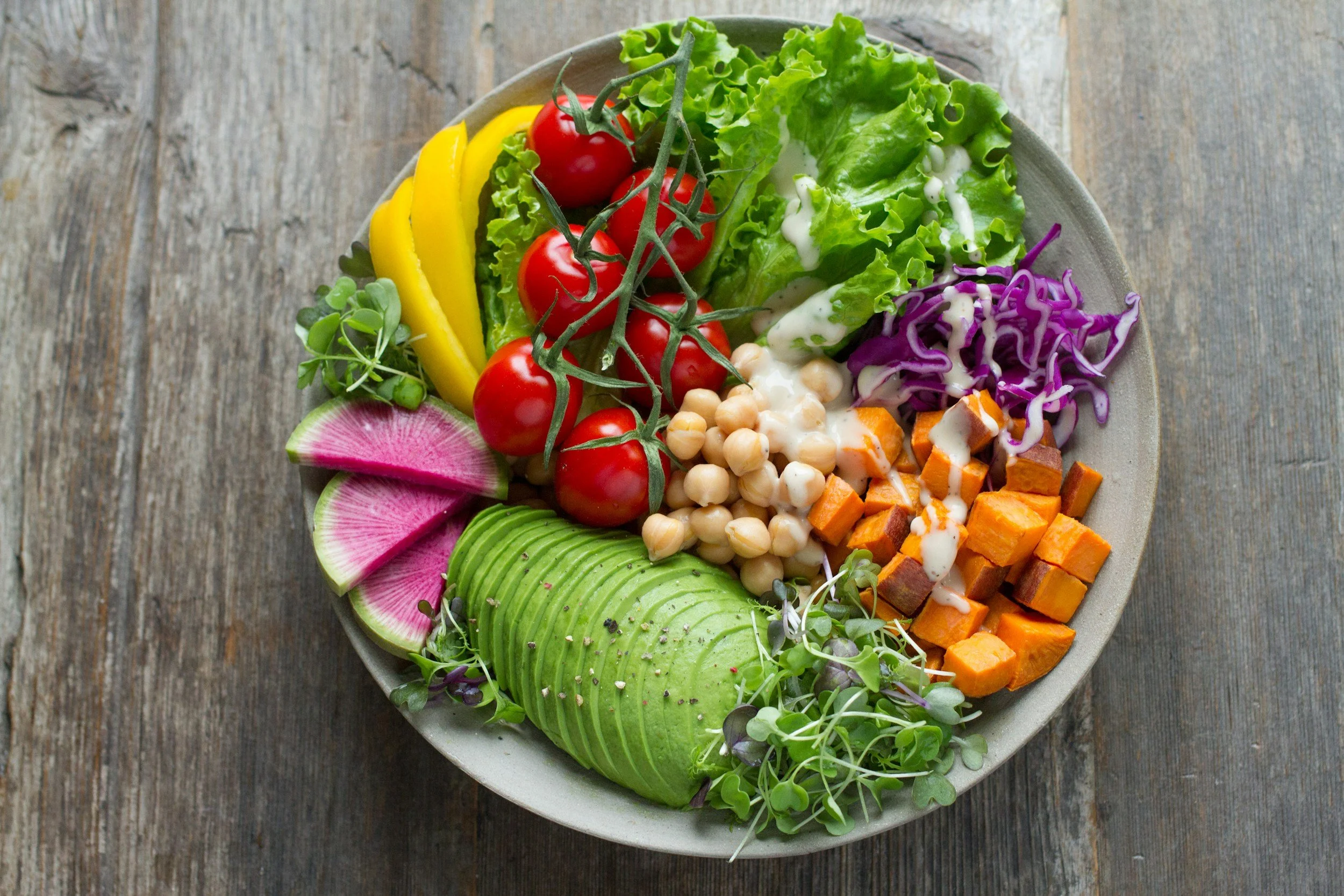
A healthy microbiome is essential for good mental and physical health.
3. Fermented Foods (add good bacteria)
yoghurt or kefir (raw and unsweetened)
sauerkraut or kimchi
miso
tempeh
How to Introduce These Foods Slowly
Add fibre gradually to avoid bloating.
Drink plenty of water.
Combine fermented foods with prebiotic foods.
Start with small portions and increase over time.
Normal Adjustments
It’s normal to have mild gas, bloating or changes in bowel habits at first. This usually settles in 1–2 weeks.
When You Need Extra Support
If symptoms persist, such as ongoing bloating, gut pain, irregular bowel movements, skin flare-ups, or fatigue, it may be a deeper gut imbalance that requires proper assessment.
Why Change Feels Hard
Many people stay in stressful situations because change feels scary or overwhelming. You may also worry about how your decisions will affect the people around you. This can leave you feeling stuck and stressed, even when you know something needs to change.
It’s normal to feel this way - but small steps do make a difference.
You Don’t Have to Do It Alone
Change becomes easier when you have support. This might include:
family or trusted friends
a psychologist
your GP
a movement practitioner
a naturopath
Having a support team helps you feel safe, guided and confident as you create habits that improve your gut, hormones, skin and long-term health.
Put Your Oxygen Mask On First
You can’t care for others when you’re running on empty. When you take care of your gut, your stress levels, your sleep and your daily habits, everything else improves - your energy, mood, digestion and skin.
The first step is choosing to put the oxygen mask on yourself. Your health matters, and taking care of it is how you create the life you want to live.